
Our search
In addition, we found it important to speed up the process of creating event scripts and to improve organizational visibility into the status of events and agreements with third parties. The standardization of processes was also a key consideration in our search for a new system.
Switching to a new system also meant we had to look for a new ticketing system. We compared providers of both booking software and ticketing systems, carefully weighing features and costs to make a well-informed decision.
How do we organize the events?
We used to manage internal and external events using separate documents for quotes, confirmations, and event schedules. Overviews for corporate rentals were maintained in Excel. Requests and bookings, whether for our own programming or business events, were processed in a ticketing system that also included staff scheduling, but lacked the ability to record financial agreements.
Scheduling multi-day bookings in this system was also time-consuming, as each day had to be entered separately, far from ideal when planning something like a three-month-long exhibition.
The switch to Smart Event Manager
At the beginning of 2021, we decided to transition to Smart Event Manager and Global Ticket. The following elements were decisive in our choice for SEM:
- No longer having to repeat the same actions, programs can be set as standard reservations in the system, this saves a lot of time.
- Further standardization of processes such as generating quotes, creating rental agreements, sending emails, and invoicing, all automatically generated
- Improved quality
- Integration with our accounting software
- All information about all events is accessible in one place for the entire organization, even if the event is still tentative
- A solid CRM system
- Extensive reporting capabilities
- Overall: time savings and much less risk of erros!
Support
The implementation process of SEM went very smoothly and succesfully. With several short remote sessions per week and the ability to continue working independently in the system in between, we managed to be up and running within two months. The excellent accessibility of the helpdesk and their quick responses to any questions or issues we encountered certainly contributed to this succes.
Who are we?
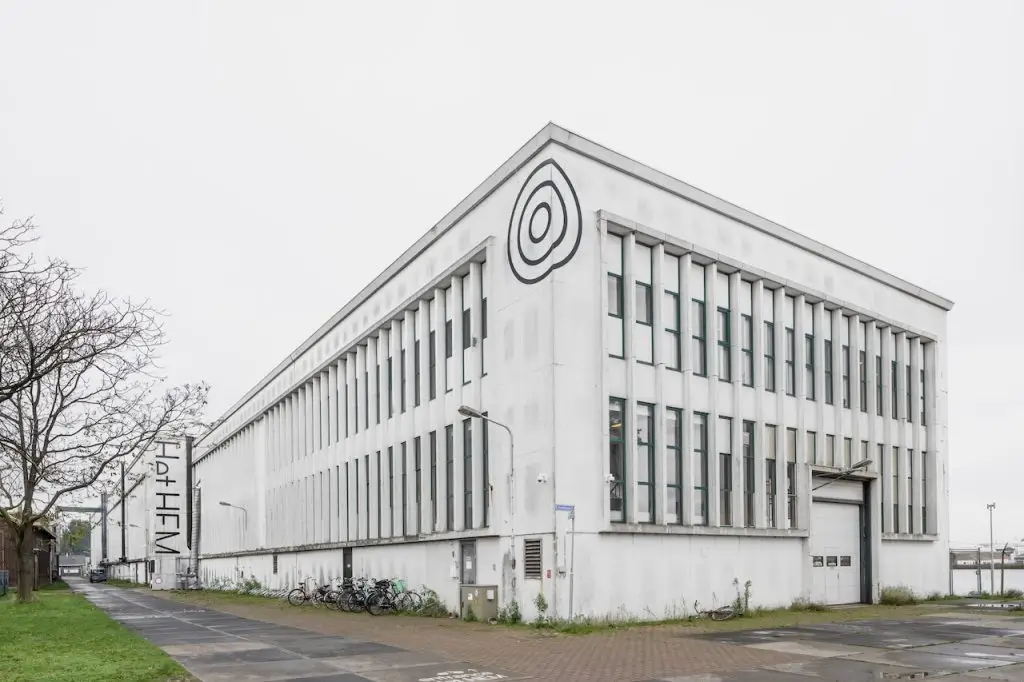
Right next to the North Sea Canal, opposite Amsterdam’s Westpoort, lies the monumental industrial area Hembrug. Once a closed-off military area where weapons and ammunition were produced until after World War II, the site has long since shed its military function. Today, it is a residential and recreational area, home to 35 national and 22 municipal monuments.
One of these buildings, a bullet factory from 1956 with an underground shooting range, was purchased in 2017 by our parent company Amerborgh, and in 2018 we transformed it into what it is now: a ‘House’ serving as a meeting place for contemporary culture. The 200-meter-long, bright white building is made up of open spaces where art is both experienced and created, and where visitors are free to explore various art forms at their own pace.
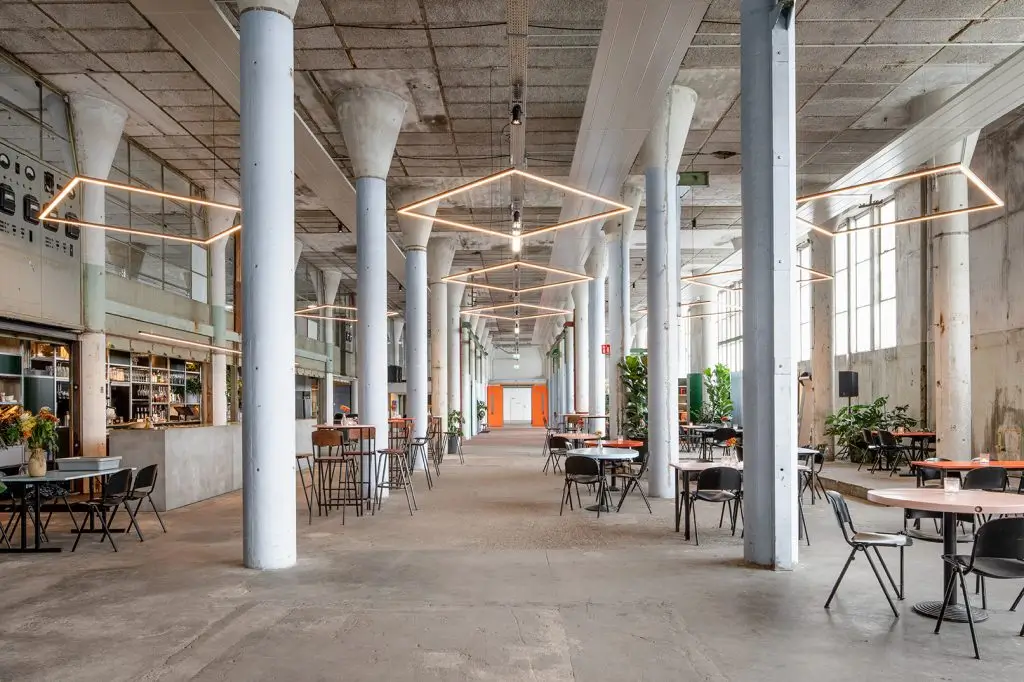
The Living Room on the ground floor is the heart of Het HEM. This freely accessible space is designed to feel like ‘home’ (the name ‘HEM’ comes from the Germanic word ‘haima’, meaning home). It’s a warm, recharging place featuring a library, a film and podcast corner (The Couch), a music bar, two restaurants, and a spacious terrace overlooking the North Sea Canal.
Het HEM hosts a public art program, collaborates with educational institutions, features an artist-in-residence space (where artists can live and work temporarily), and has six studios. Besides the cultural activities, the building is also used for corporate events and film and photography shoots. Het HEM had a flying start in the summer of 2019 with ‘Chapter 1NE,’ the first exhibition and at the same time the world’s first introduction to Het HEM.
On behalf of Het HEM, Miquel Scholtens Moreira & Nora Schuit


